Sample
restoration
This is an example of what your portfolio could look like when the decisions, process and proof behind the finished work are made visible.
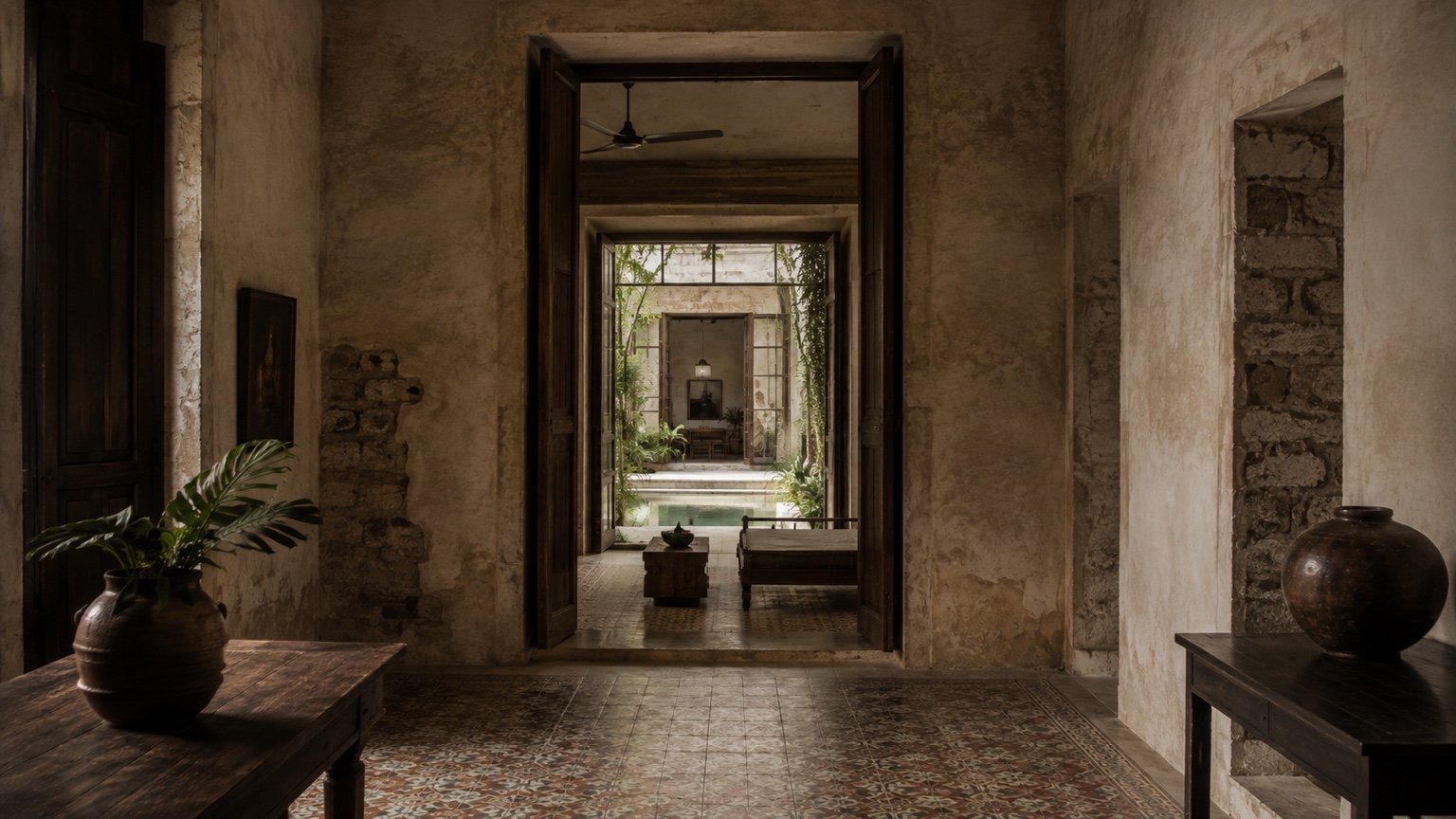
The finished house is beautiful. The useful story is why it works.
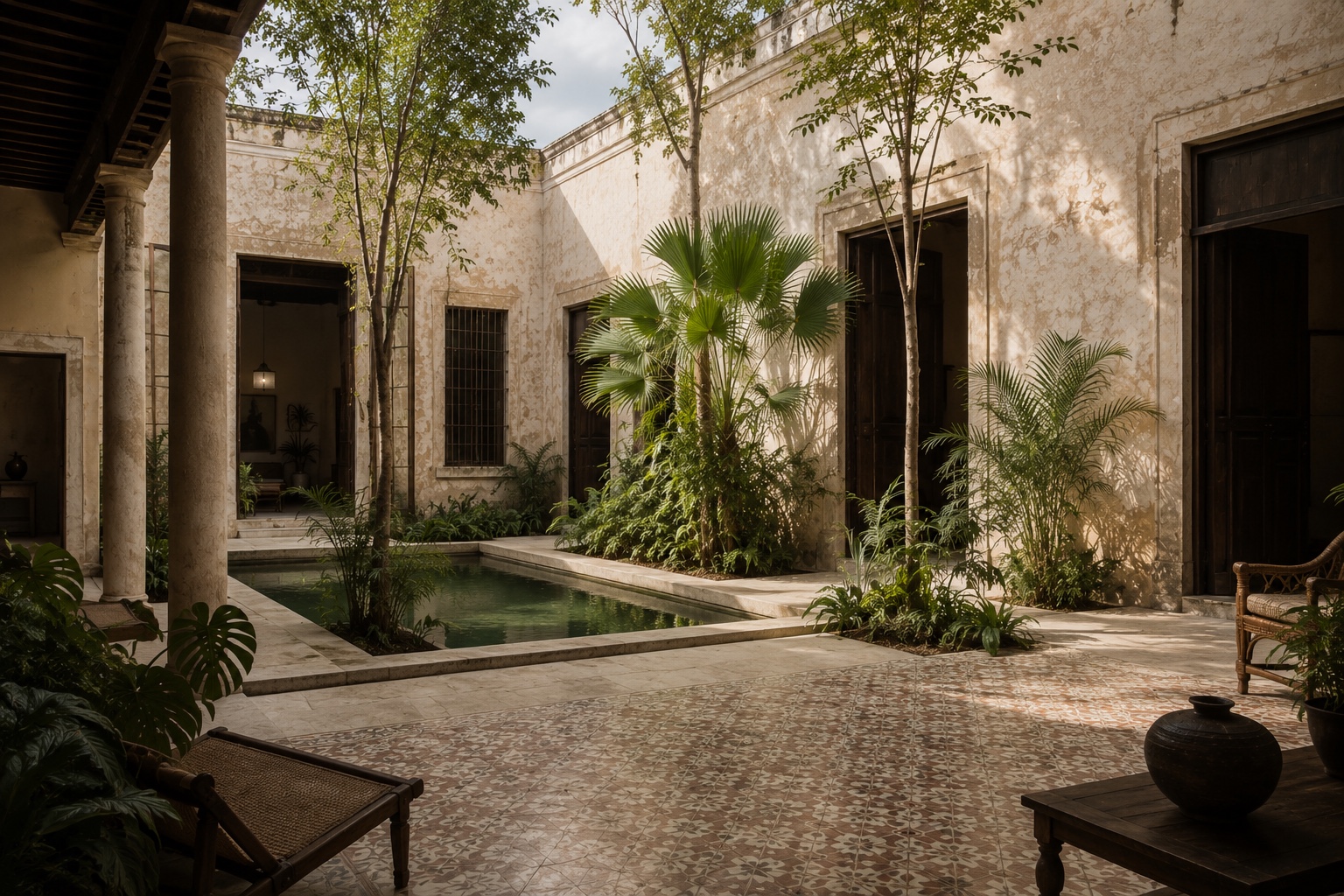
Recover the courtyard.
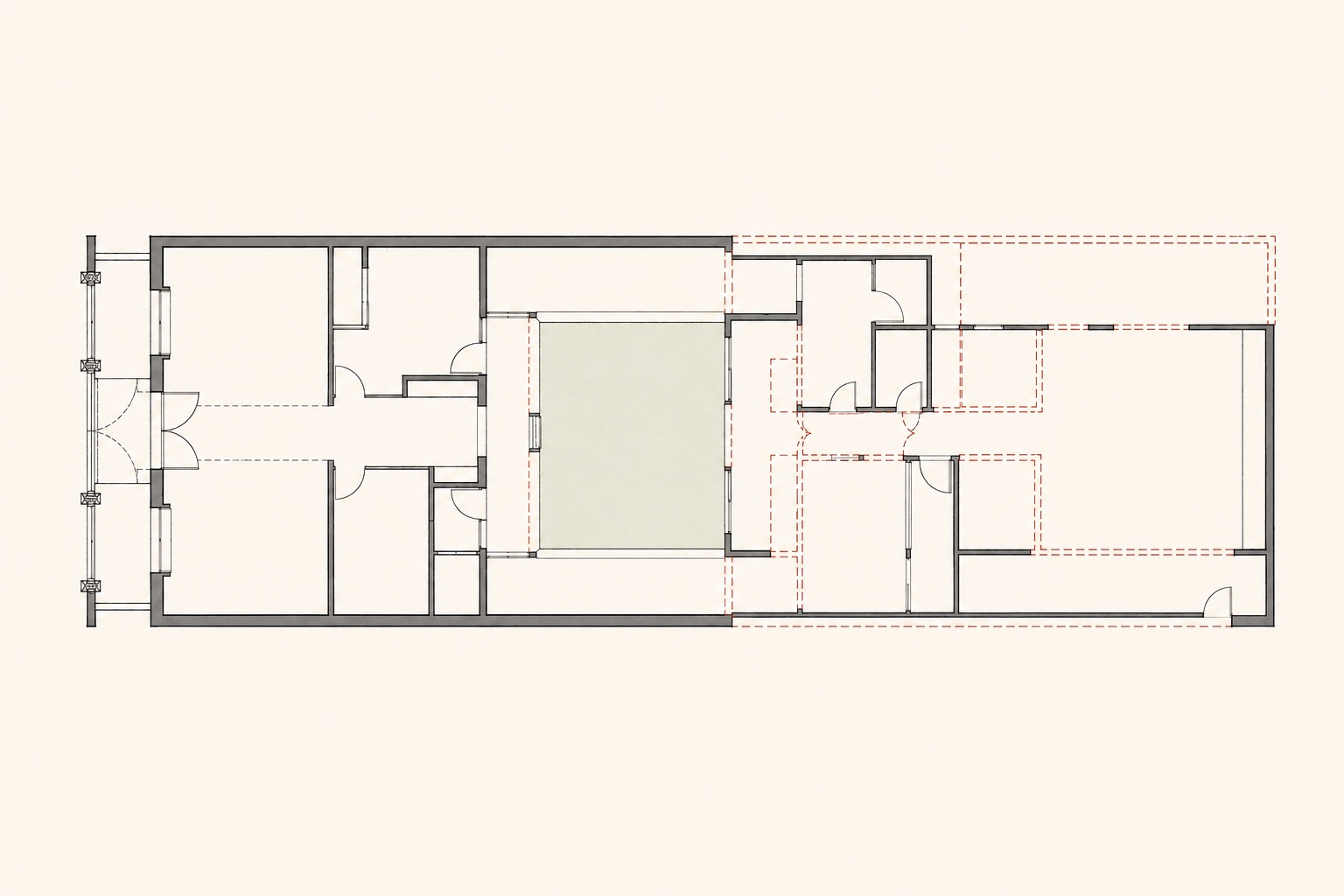
The central move wasn't decorative. It was spatial.
Later additions had weakened the relationship between the original rooms and the open center of the house. The restoration removes those obstructions, retains the historic front rooms and makes the courtyard the organizing element again.
This is the kind of information a finished photograph can't explain on its own.
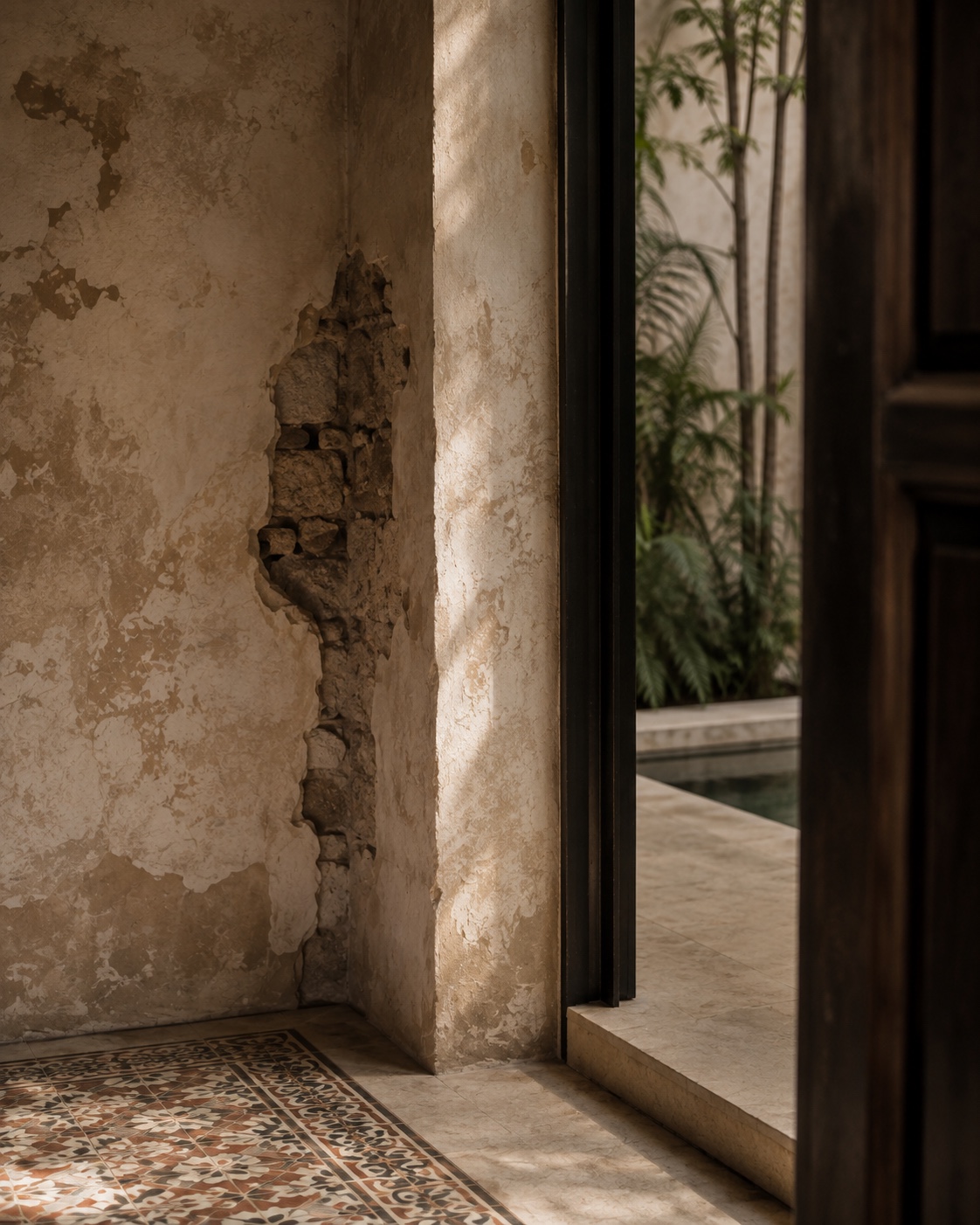
Age wasn't treated as a defect.
Original masonry, imperfect plaster and patterned floors remain legible. New work is quieter: precise openings, restrained materials and details that don't compete with what was already there.
Showing these decisions turns “restoration experience” from a claim into something a buyer can inspect.
Make the process visible too.
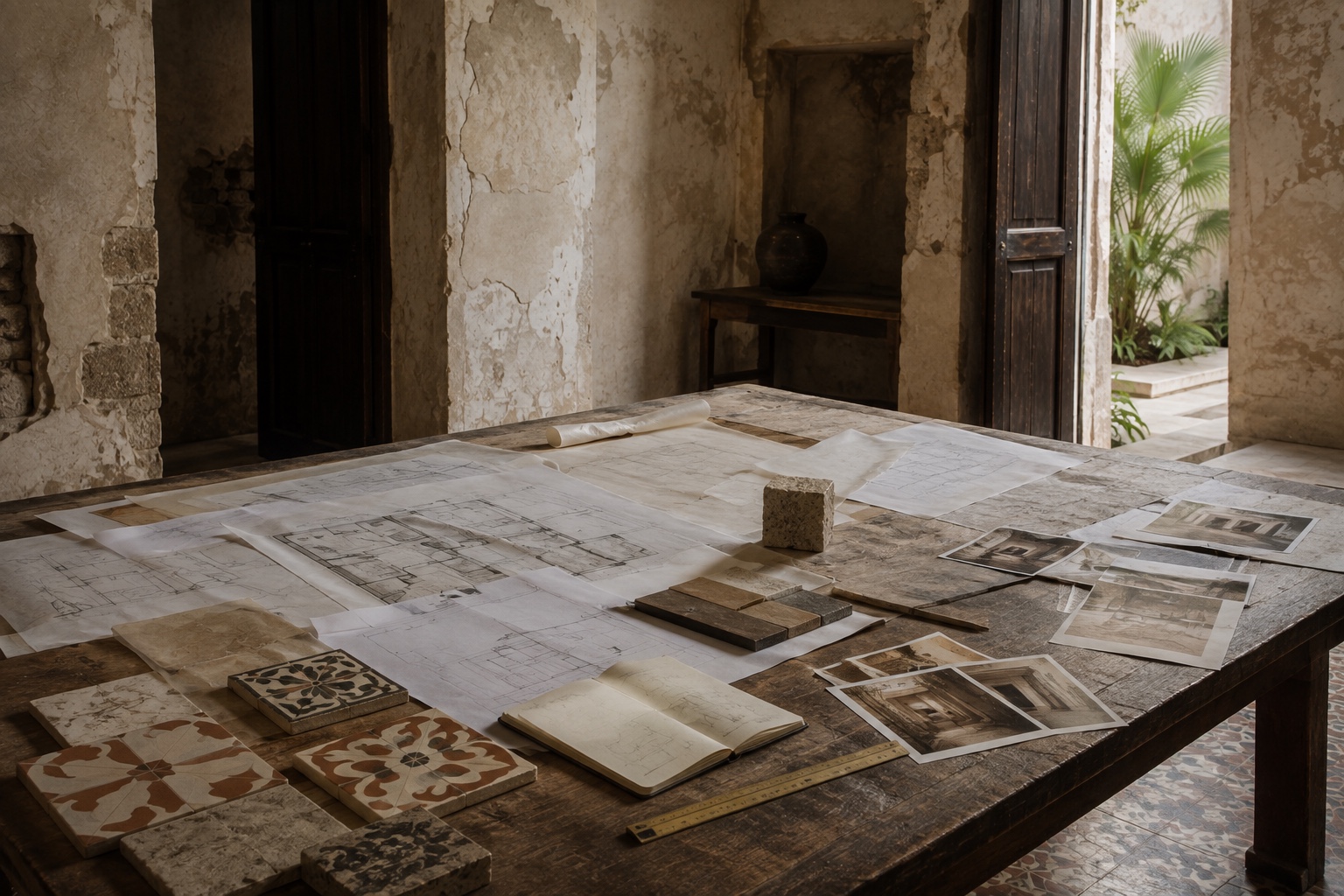
A foreign client isn't only buying the final image. They're trusting a team to make hundreds of decisions while they're somewhere else.
A strong project page can show how those decisions are documented, how materials are reviewed and how the work stays understandable between visits.
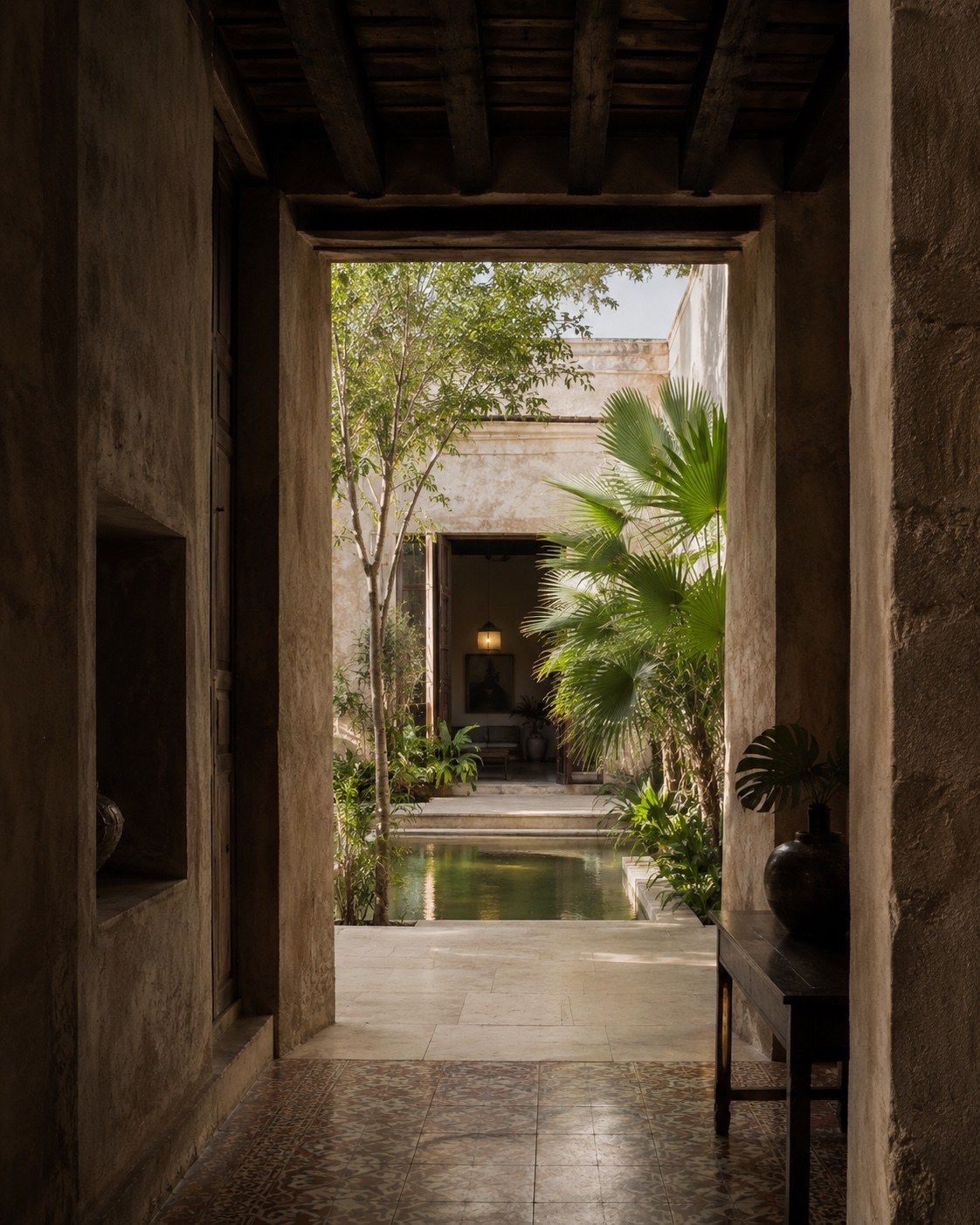
“Beautiful” is subjective. The decisions behind it are evidence.
That is the difference between a gallery and a case study. One shows the object. The other helps a prospective client understand the people capable of delivering it.
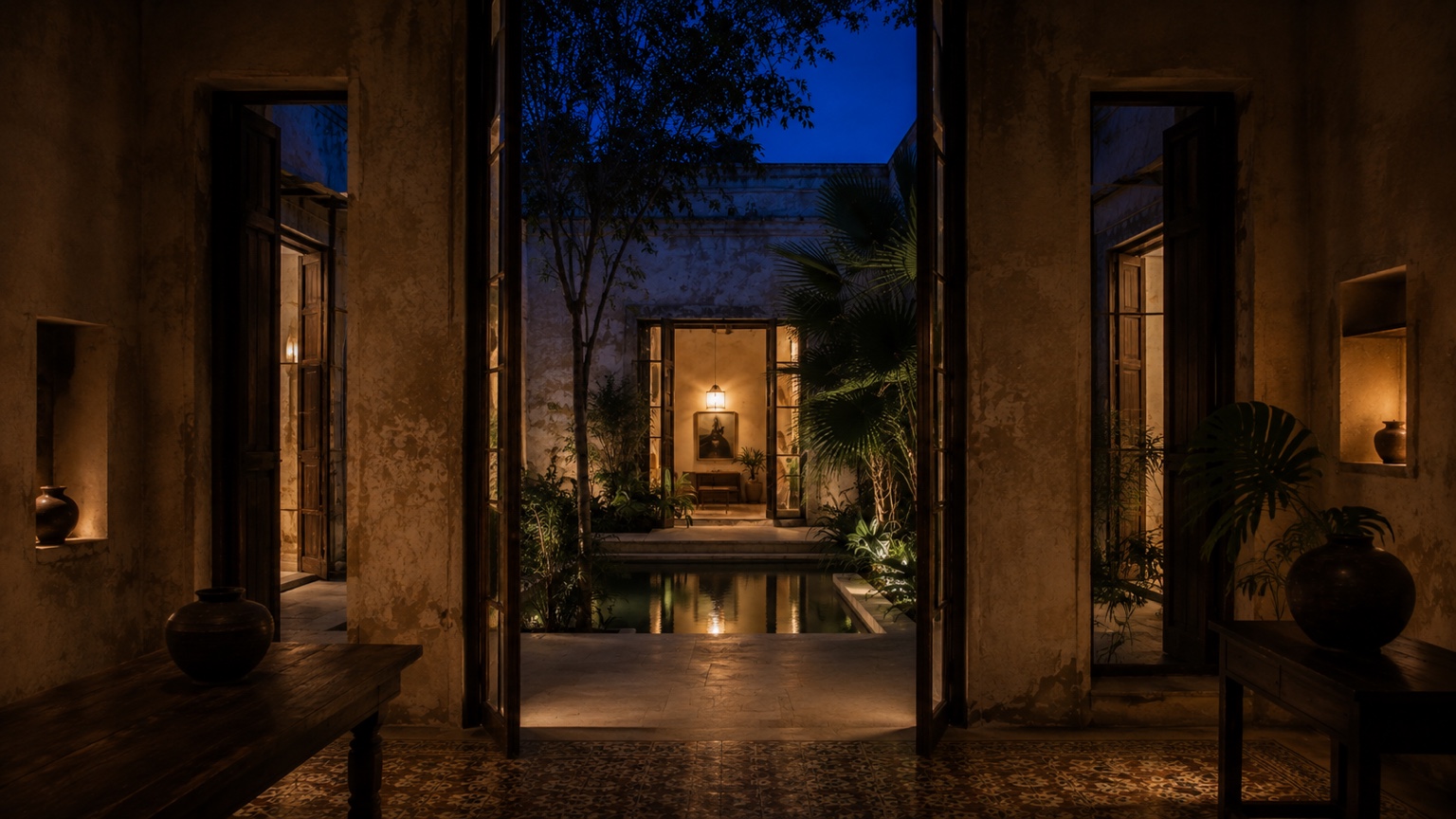
Now the image carries a story.
By the time the buyer reaches the final photograph, they have seen the constraint, the judgment, the process and the result.
This is what “better proof” can mean.
Sample restoration is illustrative. It isn't a qsont client project and the visuals were created for this demonstration. The structure of the page is the product: turning work a firm has already done into evidence a prospective client can evaluate.
Get a Free Review